Fry Sight Words and Activities for Kids
Fry sight words list 1,000 words frequently found in written English. Fry Sight Words for Kids: Words and Activities helps families select words, teach them in sentences, and practise through short games. Words such as and and it decode easily; unpredictable spellings require closer study. Children need not rush through 1,000 words. Instead, they connect spelling, sound, and meaning until recognition becomes automatic during reading.
What the Fry List Is For
The Fry list groups high-frequency written words into sets of 100. Articles, pronouns, verbs, and connectors hold sentences together. The list is a resource, not a fixed school programme. Children need not finish each group by a specific age or follow frequency order.
Fast recognition makes reading smoother by reducing effort. “Sight word” should never mean guessing from shape. Secure learning requires examining each letter, matching letters with sounds, noticing irregular spelling, and meeting the word again in meaningful text.
Fry Sight Words for Kids: Words and Activities treats the list as a teaching resource, not a test. Select words from your child’s books, messages, games, or schoolwork, giving each word an immediate purpose.
A Useful Starter Set
The 50 words below come from the early Fry list. Grouping by function supports sentence building and word explanations better than frequency order. Begin with five to eight words your child already hears in English.
Do not teach a whole row together. Combine words such as we, can, go, in with a familiar noun: “We can go in the shop.” Review known words while adding one or two new words. Small mixed sets strengthen recall better than long stacks of isolated cards.
Teaching the Words in Context
Start with an understandable sentence: “The cat is on the chair.” Read aloud, point to the target word, and have your child repeat the sentence. Then examine its spelling. In said, the middle letters represent a different vowel sound from the one beginners may expect.
Keep the sentence frame but change one element: “The book is on the chair.” “The cup is on the table.” Your child sees is and on remain stable while nouns change. Older learners can add a reason, contrast, or time phrase.
Fry Sight Words for Kids: Words and Activities also supports multilingual children without replacing other languages. Confirm meaning briefly in a shared language, then return to the English sentence. Function words may lack direct translations, making concise examples more effective than a literal translation.
Activities for Different Ages
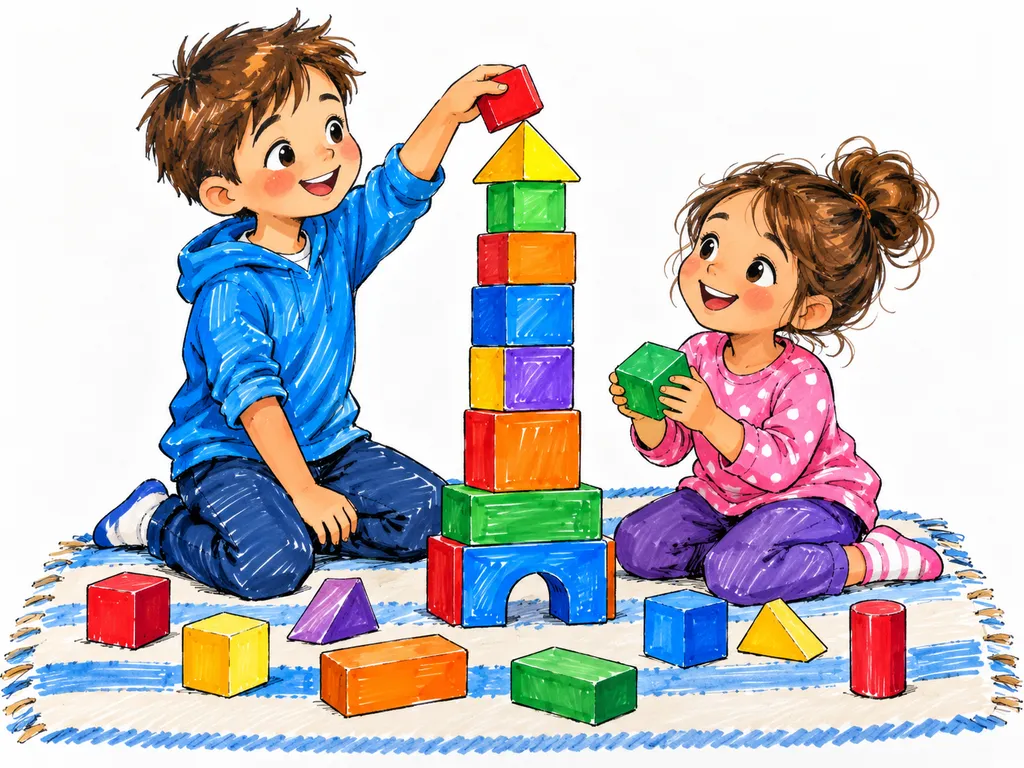
School-age kids: Choose three to five word cards and place them beside toys or pictures. Say, “It is in the box,” then let your child move the toy. With Fry Sight Words for Kids: Words and Activities, keep early-learning games under ten minutes and repeat target words across multiple days.
School-age kids: Try a sentence hunt. Ask your child to find five target words on a book page, menu, game instruction, or age-suitable website. Afterwards, choose two words and build a new sentence. The task checks recognition and meaning instead of rewarding unsupported guesses.
School-age kids: Create short editing challenges. Remove high-frequency words from a paragraph; ask your child to restore them and explain each choice. Compare pairs such as this and these, or was and were. Editing respects older learners while strengthening automatic reading.
A Short Practice Routine
A compact routine has four steps: read, notice, build, and revisit. Read the word in context. Notice its letters and sounds. Build a fresh sentence. Revisit it later in another order or text. Fry Sight Words for Kids: Words and Activities needs only eight to ten minutes for all four steps.
During LearnLink lessons, LearnLink tutors adapt the cycle to each child’s reading stage. At home, record words recognised instantly, words needing sound work, and similar forms causing confusion. Review uncertain words more frequently while retaining mastered words.
Build-and-switch Challenge
Write we, they, can, have, this, that, in, and on on separate cards. Ask your child to build a sentence with two cards, adding needed nouns or verbs. Switch one card and read the changed sentence.
Hide the cards, then ask your child to write or spell two target words from memory. Check the letters together and reread the complete sentence.
Common Mistakes to Avoid
Avoid introducing too many new words together. Reading 20 cards correctly in one sitting does not guarantee recognition tomorrow or inside a story. Mix a small number of old and new words, then revisit each one in sentences across multiple days.
Never teach visual-shape memorisation or guessing from the first letter and picture. Pictures support meaning; print supplies the answer. Ask your child to examine the whole word, say matching sounds, and mark spelling needing special attention.
One correct answer does not show mastery. Check whether your child can read the word alone, find it in a sentence, spell it, and apply it accurately. English accents can change vowel sounds, so prioritise recognition, spelling, and meaning over copying one national accent.
When a word has several meanings or pronunciations, Cambridge Dictionary is a useful check before turning it into child-friendly examples.
Frequently Asked Questions
How Many Fry Sight Words Should My Child Learn?
The full Fry list contains 1,000 words, but no single daily or weekly target fits every child. Begin with five to eight words. Add new words after your child reads most of the current set in different sentences. Use Fry Sight Words for Kids: Words and Activities as a flexible guide, not a race through numbered groups.
Are Fry Sight Words the Same as Dolch Words?
No. Both lists overlap because they contain frequent English words, but their organisation differs. Fry contains 1,000 frequency-ranked words in groups of 100. Dolch contains 220 service words plus a separate set of 95 nouns, often arranged by level. Either resource supports reading when teaching combines sound, spelling, and context.
Should My Child Sound Out Fry Words?
Yes. Ask your child to apply letter-sound knowledge wherever possible. Explain unexpected spelling directly instead of inviting guesses. In said, the first and final consonants follow expected sounds, while ai represents an unexpected vowel. Blend the word, read it in a sentence, and revisit it later.
What If My Multilingual Child Knows the Word in Another Language?
Build on that knowledge. A quick translation, object, gesture, or picture can confirm meaning; afterwards, practise the English word inside an English sentence. Languages may organise articles, pronouns, or word order differently. Explain the contrast calmly and provide focused examples. Knowing more than one language supports learning; it is not a reading problem.
Start your child's English journey today — book a trial lesson with LearnLink.
Stay updated on our latest tips and resources by following us on Instagram LearnLink.